
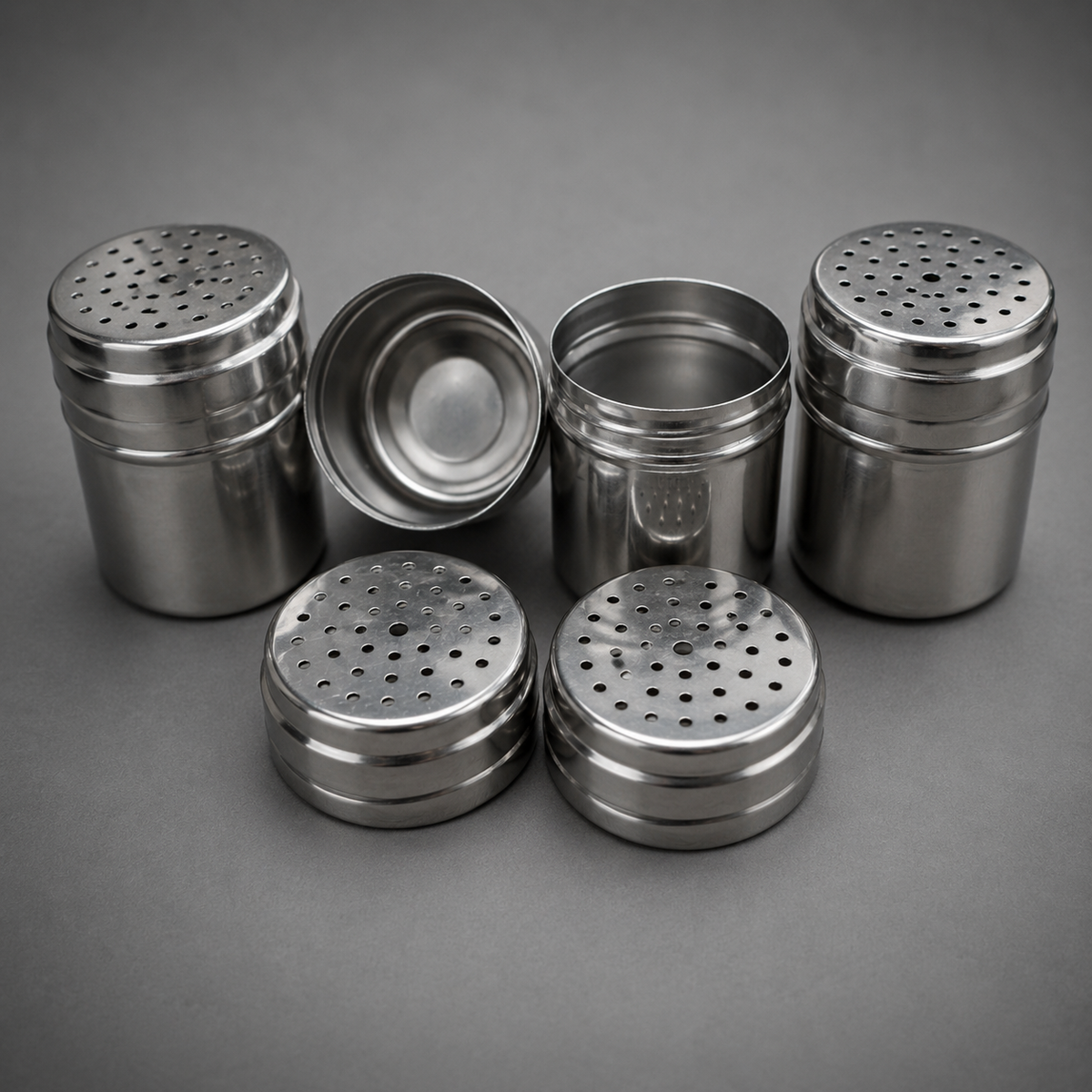
Odor Delivery Devices (ODDs) in Detection Dog Training – Why the Container Matters
Controlled odor presentation for professional detection dog training
Detection dog trainers spend considerable time thinking about target odors: which sample to use, how much material to present, how to manage contamination and which negative samples or distractors belong in a training setup.
An equally important question is: how is the odor presented to the dog?
An ODD – Odor Delivery Device is a container or presentation system used to introduce a target odor, negative sample or distractor in a controlled training setup. ODDs can be made from different materials and use different designs. The appropriate solution depends on the target material, training objective and required level of standardization.
Why use standardized containers?
If positive and negative positions look or behave differently, the dog may learn information that the trainer did not intend to teach. Using identical containers helps reduce visual and construction differences so that odor information can remain the relevant variable.
A practical ODD system should be robust, reusable, easy to handle, suitable for cleaning and compatible with the training systems in which it will be used.
The Kynotec stainless-steel ODD
The Kynotec ODD is made from stainless steel and measures approximately 5 cm in diameter and 7 cm in height. It is designed for use with Kynotec training systems including the Lineup and Scent Wheel.
Stainless steel was selected for practical training reasons: it is durable, corrosion resistant and can be integrated into repeatable handling and cleaning procedures.
Contamination management starts with handling
A good container cannot compensate for poor sample handling. Cross-contamination can occur when the same gloves, tools, work surfaces or storage systems are used across target odors, blanks and negative samples.
For this reason, an ODD should always be part of a defined handling protocol. Trainers should consider separation of samples, storage, tools, preparation areas and cleaning procedures.
The target odor should be the variable
In a standardized discrimination exercise, the external presentation should remain as consistent as practical. The meaningful difference should be inside the container.
For example, identical ODDs can contain target odor, blank material or controlled distractors. The training objective is for the dog to learn that the container and its position are irrelevant while the trained target odor predicts the required response.
ODDs and blind training
Standardized containers are useful for randomized single- and double-blind exercises. When positions are changed and the handler does not know the target location, the team must rely more heavily on the dog’s search behavior and trained final response rather than on handler expectations.
Safety limitations
An ODD is a training presentation device. It is not automatically an approved storage or transport container for hazardous, toxic, explosive or otherwise controlled materials. Any use with regulated target materials must comply with the applicable legal, chemical-safety, storage and transport requirements for that specific material.
Cleaning and reuse
Stainless steel can simplify cleaning, but visually clean does not necessarily mean odor-free to a dog. Depending on the training material and required discrimination accuracy, it may be appropriate to dedicate containers to specific odor groups, separate storage, document cleaning processes or retire containers after suspected contamination.
Common training errors
- using visibly different containers for positive and negative samples
- poor contamination control during preparation
- never randomizing target positions
- using only one target sample repeatedly
- omitting blank positions
- assuming a training container is suitable for long-term storage
Technical data
- Product: Kynotec ODD – Odor Delivery Device
- Material: stainless steel
- Diameter: approximately 5 cm
- Height: approximately 7 cm
- Reusable: yes
- Compatible with Kynotec Lineup and Scent Wheel
Frequently asked questions
What does ODD mean?
ODD stands for Odor Delivery Device, a container or system used to present an odor source in a controlled manner.
Does every ODD have the same design?
No. Materials, shapes and functional designs vary. The correct choice depends on the training task and target material.
Does an ODD prevent all contamination?
No. It can help standardize handling and reduce direct material contact, but contamination can still occur through poor preparation, storage or handling.
Why use identical containers?
Because the goal is for odor, rather than the appearance of the container, to control the dog’s trained response.
Conclusion
A good ODD should be deliberately unremarkable. It should provide a consistent platform for odor presentation while keeping the focus on the dog’s olfactory decision. Standardized containers, clean handling and randomized training design can make scent detection exercises easier to reproduce and evaluate.
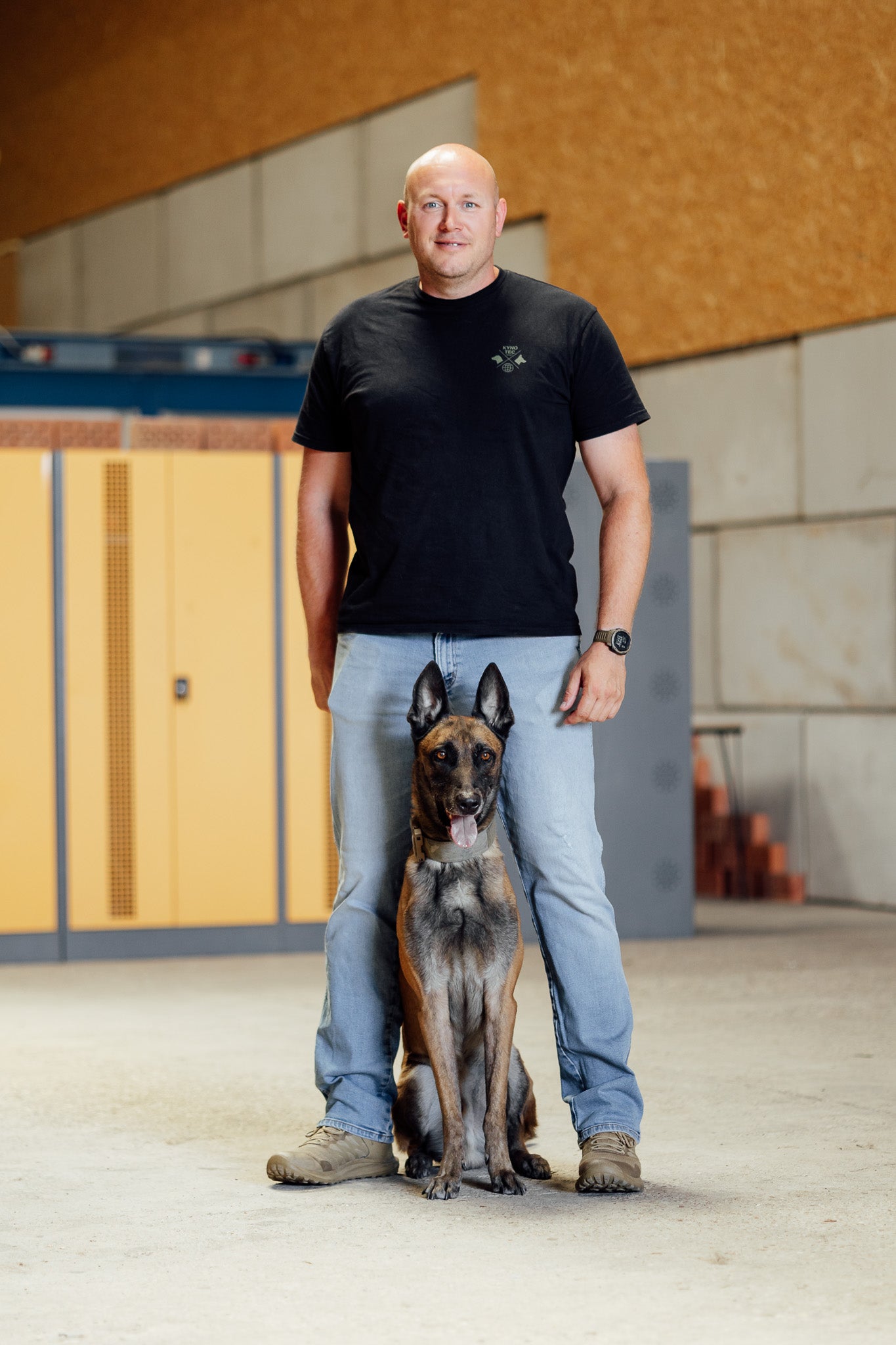
Written by Christoph Wishofer · Expertenprofil
Geschäftsführer der Kynotec GmbH und Experte für professionelle Dienst- und Spürhundearbeit. Langjährige Erfahrung in der Ausbildung von Diensthunden, Hundeführern und Hundetrainern sowie als Frontex General Use Dog Instructor.

Leave a comment
This site is protected by hCaptcha and the hCaptcha Privacy Policy and Terms of Service apply.